

California Transparency in Supply Chains Act (SB 657) Statement
Coway USA, Inc.
Effective Date: January 1, 2026
The following statement outlines our efforts to evaluate and combat risks of slavery and human trafficking in our direct supply chain and is made pursuant to the California Transparency in Supply Chains Act of 2010 (SB 657) (the “Act”) by Coway USA, Inc. ("Coway USA") and its parent company, Coway Co., Ltd. ("Coway Headquarters") (collectively, “Coway”, “we“, “our” or “us”). By making this statement, we also seek to provide information to our customers that will allow them to make more information choices about the products they buy, and the companies they support.
As part of our commitment to be a responsible company, we have established a Supply Chain Sustainability Policy to ensure that our supply chain reflects our values regarding human rights, labor standards, and the environment.
Coway engages in verification of its supply chains to evaluate risks of human trafficking and slavery. This verification process involves a combination of annual internal self-assessments and annual on-desk assessment conducted by third-party professional consulting firms. This allows us to identify potential high-risk suppliers and key partners, and address social and environmental risks in advance.
Coway conducts audits of its suppliers to evaluate compliance with the “Coway Supply Chain Code of Conduct”. To ensure transparency, independent on-site audits for high-risk suppliers and key partners are conducted with third-party professional consulting firms. While these independent audits are generally not unannounced and are scheduled in advance to facilitate practical ESG consulting, they are rigorous and designed to improve supplier capabilities.
Coway requires its direct suppliers to adhere to strict standards regarding human rights and labor. We require direct suppliers to agree in writing to the "Coway Supply Chain Code of Conduct," which mandates compliance with all applicable laws, including those governing slavery and human trafficking. We also require responsible sourcing through related written agreements such as the "Pledge of Compliance with Non-Use of Conflict Minerals."
Coway maintains internal accountability standards and procedures for employees and contractors regarding slavery and trafficking.
- Employees: All employees are required to comply with Coway’s “Code of Ethics” and “Human Rights Policy.” These policies explicitly prohibit forced labor and human trafficking. Violations can result in disciplinary action, up to and including termination of employment.
- Contractors: Contractors and suppliers are required to adhere to the “Coway Supplier Code of Conduct,” which mandates voluntary labor and prohibits all forms of modern slavery. Failure to comply may result in termination of the business relationship.
To enforce these standards, we operate an Ethics Management Center that allows both employees and contractors to submit grievances and report ethical violations. All reports are handled swiftly and fairly without fear of retaliation.
Coway is committed to building capacity within its organization and supply chain to identify and mitigate risks.
- Supplier Training: We actively support supply chain capacity building by distributing global ESG trend data and supporting ESG training through online and offline activities.
Employee Training: Coway provides annual training to internal employees with supply chain responsibilities to ensure they understand our standards regarding ethical business practices, including human rights and labor compliance.
Customer service is important to us. We are here to assist you.
In your email please include: Name & Contact Info Product & Quantity Industry Interest
Contact us: INFO@COWAYMEGA.COM1-800-285-0982
Hours: 7AM - 8PM CT MON-FRI
Contact us: INFO@COWAYMEGA.COM1-800-285-0982
Hours: 7AM - 8PM CT MON-FRI
Contact us: INFO@COWAYMEGA.COM1-800-285-0982
Hours: 7AM - 8PM CT MON-FRI
You may also like


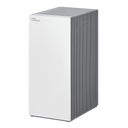
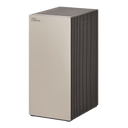
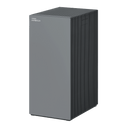

Airmega ProX
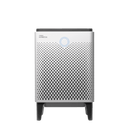
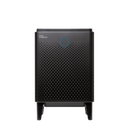

Airmega 400
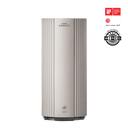
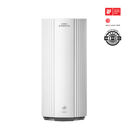
Airmega 450
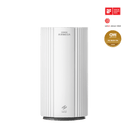
Airmega 350


Airmega Mighty Beige



Airmega 150

